How to Safely Remove Moldy, Water-Damaged Junk
Central Illinois weather can take a toll on any home. Between sudden springtime cloudbursts, severe summer thunderstorms, and rapid winter snowmelt, basements and crawl spaces across Champaign County often end up bearing the brunt of unwanted water intrusion. Whether a failed sump pump soaked your finished basement in Savoy, a broken pipe drenched stored boxes in Urbana, or humidity created an active mold colony in a Mahomet crawl space, dealing with the aftermath is exhausting.
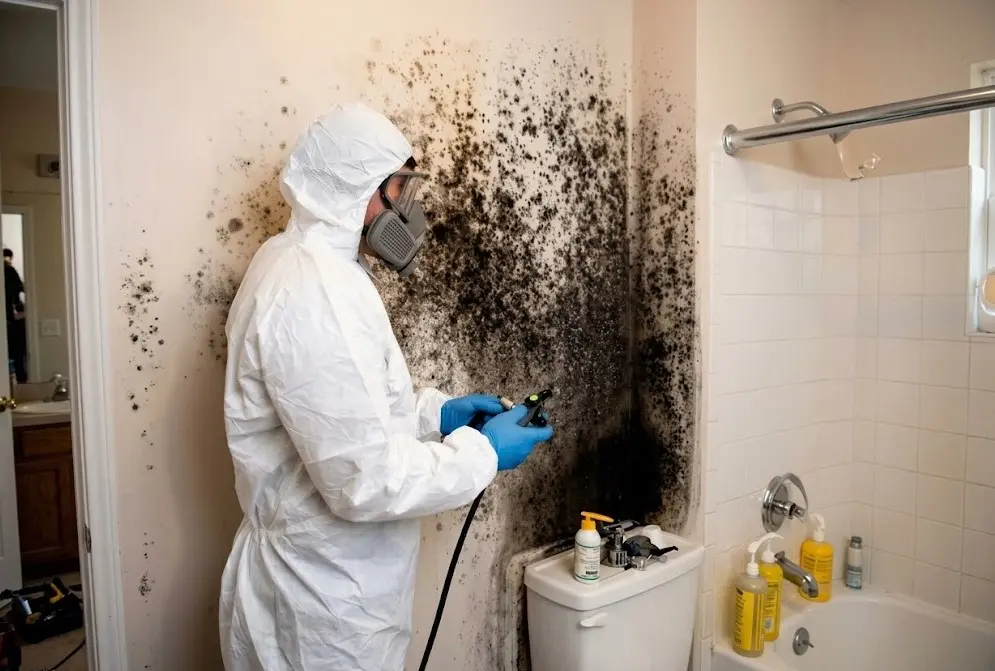
When porous household items sit in standing water or humid air for longer than 24 to 48 hours, microscopic mold spores spread fast. Suddenly, you are not just clearing out old household clutter; you are handling bio-contaminants that can irritate airways, trigger allergies, and permanently ruin fabrics, wood, and drywall.
Trying to drag heavy, waterlogged sofas and spore-covered carpets upstairs to the curb by yourself is messy, physically dangerous, and often strictly rejected by municipal trash services. Here is an actionable guide on how to safely triage moldy, water-damaged junk, how to protect your health, and how to clear your space out for good.
The Immediate 24-to-48-Hour Mold Window
In the restoration and disposal industry, speed is everything. According to environmental health guidelines, mold begins establishing colonies on damp porous materials within 24 to 48 hours.
Water Damage Timeline:
0 to 24 Hours: Standing water saturates fabrics, wood framing, and drywall paper.
24 to 48 Hours: Active microbial spores germinate; musty odors become noticeable.
48+ Hours: Mold penetrates deep into foam cushions, subflooring, and insulation.
If you catch the water event immediately, clean metal, hard plastics, and solid hardwoods may be salvageable with swift drying and antimicrobial disinfectants. However, once mold penetrates deep into soft goods, restoration costs usually eclipse replacement value, turning those belongings into hazardous waste that requires immediate removal.
What Can Be Saved vs. What Must Be Hauled Away
When triaging a flooded basement, garage, or storage room, separating salvageable valuables from true junk prevents mold from spreading back into your living areas.
| Item Category | Encountered Condition | Can It Be Saved? | Proper Disposal & Handling Method |
| Upholstered Furniture (Couches, recliners, padded chairs) | Saturated cushion foam, damp fabric backing, visible mildew spotting. | No (Rarely) | Wrap in heavy plastic sheeting to seal in airborne spores and haul directly to disposal. |
| Mattresses & Box Springs | Wet bottom ticking, damp interior springs, musty odor. | No | Completely unsalvageable; must be loaded and transported directly for solid waste processing. |
| Carpeting & Carpet Padding | Soaked backing, waterlogged foam pads underneath. | No | Slice into 3-to-4-foot manageable strips using utility knives; roll, duct-tape, and haul out. |
| Drywall & Baseboards | Soft spots, water wick lines, paper backing discoloration. | No | Score and cut out at least 12 to 24 inches above the high-water line for light demolition. |
| Solid Wood Furniture | Minor surface moisture; no warped joints or swollen veneers. | Yes (Often) | Strip surface mildew, dry thoroughly with dehumidifiers, and clean with fungicide. |
| Metals & Hard Plastics | Surface grime, mud rings, or minor surface rust. | Yes | Wash with warm soap and water, sanitize with a bleach-alternative disinfectant, and dry. |
4 Essential Safety Rules for Handling Moldy Junk
Before entering a damp basement or lifting a single water-soaked box, take baseline safety precautions. Disturbing dry mold releases millions of airborne spores into your indoor air ducts.
1. Wear the Correct Personal Protective Equipment (PPE)
Standard dust masks will not stop microscopic mold spores. At minimum, equip yourself with:
- An N95 or P100 respirator fitted snugly over your nose and mouth.
- Heavy-duty waterproof gloves (nitrile or thick rubber) to prevent skin contact with contaminated floodwaters.
- Unvented safety goggles to protect your eyes from airborne dust and spores.
- Long pants and sturdy work boots with slip-resistant soles for navigating slick, muddy basement concrete.
2. Isolate the Work Area
Close interior doors leading to upper living spaces. If your HVAC system is currently running, turn it off at the thermostat. Running your central heat or air conditioning while dragging moldy carpets through the house sucks spores into the return ducts, spreading contamination into bedrooms and living spaces.
3. Seal Items in Heavy Plastic Before Moving Them
Never drag exposed, mold-covered mattresses or waterlogged cardboard boxes through finished living rooms or up carpeted stairwells. Wrap damp mattresses and sofa cushions in 6-mil poly plastic or heavy contractor bags, securing the seams with duct tape. This containment step prevents spores and dirty water droplets from contaminating stair treads and hallway trim.
4. Watch for Hidden Electrical and Structural Hazards
If standing water is still present above floor outlets, extension cords, or furnace baseplates, do not step into the water. Call Ameren Illinois or an electrician to shut down power at the main breaker panel before starting work. Saturated drywall ceilings can also collapse without warning under the weight of trapped water.
Local Municipal Limitations: Why Champaign-Urbana Curbside Pickups Fall Short
Property owners often assume they can haul damp basement junk out to the curb and let city sanitation pick it up on bulk day. In Champaign County, municipal collection programs have strict limitations:
- Strict Volume and Dimension Limits: City of Champaign and City of Urbana bulky item collections place caps on pile volume and strictly limit pickup schedules to designated neighborhood zones or twice-a-year campaigns.
- Bans on Remodel and Flood Debris: City curbside trucks will not take soggy drywall, pulled-up subflooring, insulation rolls, or structural lumber resulting from water damage tear-outs.
- Severe Physical Strain: Soaked couches and waterlogged carpet rolls easily weigh 150 to 300+ pounds. Hauling them up narrow, winding basement stairs risks lower-back strain, pulled muscles, and scuffed drywall.
- Curbside Eyesores and Fines: Leaving piles of moldy, rotting household goods on a city parkway or swale for days while waiting for a scheduled bulk truck attracts pests, generates foul neighborhood odors, and risks city code compliance citations.
Eco-Check: Where Does Your Damaged Junk Actually Go?
At The Mule Junk Removal, we live and work right here in Champaign County. We care about keeping local landfills clean, but water-damaged items require careful sorting.
Downstream Item Routing:
Water-Damaged Load ➔ On-Site Triage ➔ 1. Scrap Metal Salvage (Water heaters, washers, frames)
➔ 2. Clean Construction Salvage (Dry structural lumber)
➔ 3. Sanitary Landfill (Mold-saturated soft goods & mattresses)
- Scrap Metal Salvage: Water-damaged appliances (washers, dryers, water heaters) and metal shelving units are separated and routed to regional scrap metal recyclers rather than the dump.
- Sanitary Disposal: Heavily mold-colonized soft goods, saturated fiberglass insulation, and ruined drywall are safely routed to licensed regional transfer stations and landfills under state solid waste guidelines to prevent community biohazard contamination.
- Donation Protection: We love supporting local charitable thrift shops, but area charities strictly prohibit water-damaged, stained, or mold-compromised furniture. We ensure only safe, sanitary goods reach local donation networks.
How The Mule Clears Out the Mess Fast
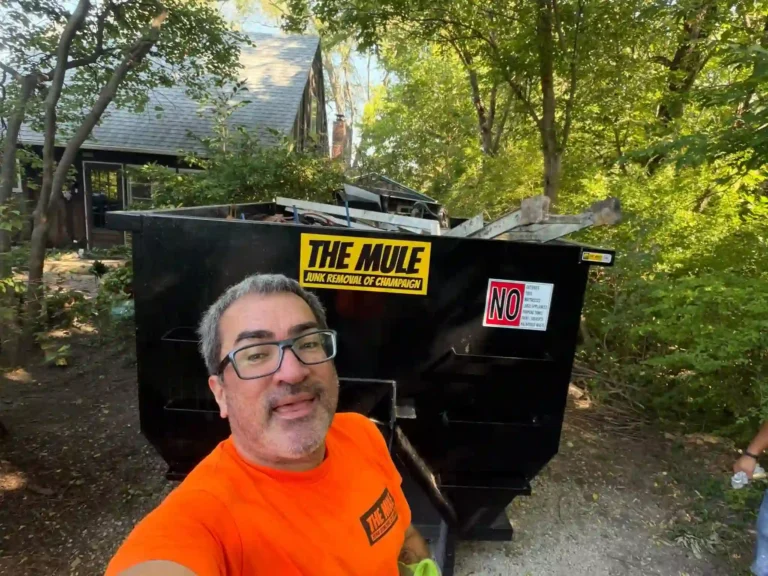
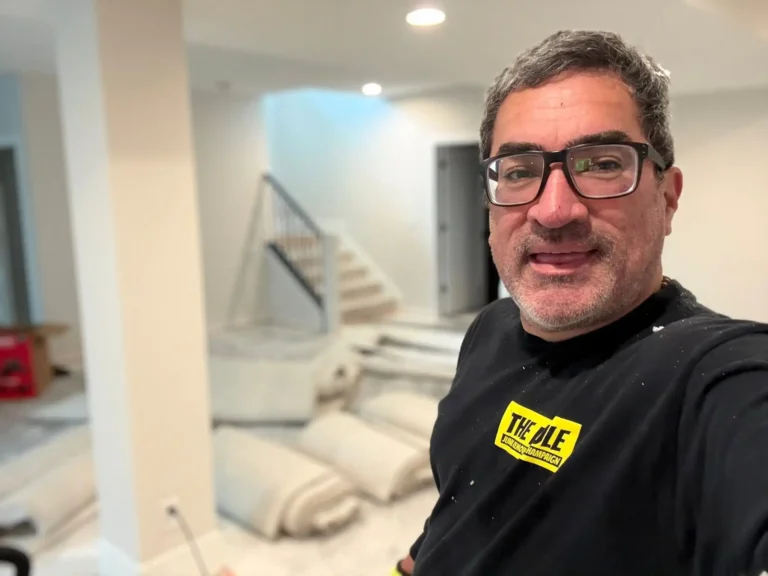
You do not have to ruin your weekend, strain your back, or breathe in toxic basement air. The crew at The Mule Junk Removal handles the heavy lifting, basement stair navigation, and safe hauling from start to finish.
- Full-Service “Zero-Lifting” Standard: Simply point to the damaged items in your basement, crawl space, or garage. Our crew handles the bagging, lifting, stair climbing, and truck loading.
- Light Demolition Capabilities: Need ruined drywall cut out, water-damaged baseboards stripped, or soggy carpet and tack strips ripped off the concrete? Our team handles light interior teardowns quickly and safely.
- Free, No-Obligation On-Site Estimates: We come directly to your property in Champaign, Urbana, Savoy, or Mahomet, evaluate the pile in person, and give you an upfront, volume-based rate with zero hidden surcharges.
- Same-Day and Next-Day Dispatch: When water strikes, you cannot afford to wait two weeks for a municipal bulk day. We offer fast turnaround times to get damp, hazardous items off your property before mold takes over the rest of your home.
Frequently Asked Questions
Can moldy furniture be donated to local Champaign charities?
No. Local non-profit organizations and thrift stores throughout Champaign County strictly reject upholstered furniture, mattresses, or clothing with visible water stains, active mold growth, or heavy mildew odors. These items pose health risks to charity staff and retail shoppers, meaning ruined porous items must be transported to licensed disposal facilities.
What should I do with water-damaged drywall and carpet?
Carpet padding acts like a sponge and cannot be salvaged once contaminated with dirty water; it should be cut into strips, rolled, and removed along with the carpet. Water-damaged drywall should be neatly cut and removed at least 12 to 24 inches above the visible water line to stop hidden mold spores from traveling up the wall cavity studs.
Does The Mule carry water-damaged items out of basements?
Yes. Our crew handles complete basement, crawl space, and attic cleanouts. You do not need to drag heavy, waterlogged furniture or wet boxes up the stairs to the driveway or curb. We do all the heavy carrying, loading, and final sweep-up.
How is the cost for flooded basement junk removal determined?
Pricing is based on the total volume your items occupy in our heavy-duty hauling trucks or trailers. Because every cleanout is unique, we provide a 100% free, in-person estimate with upfront, transparent pricing before any lifting begins.